In the News
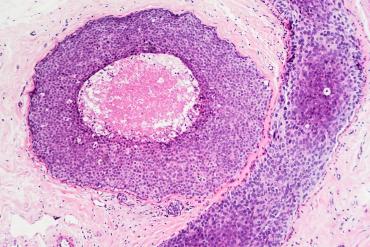
Radiographic image of breast cancer tumor cells in the mammary ducts.
Researchers created an algae-based gel for studying mammary epithelial cells, which form milk-producing ducts and glands in healthy breast tissue and can transform into cancer cells.
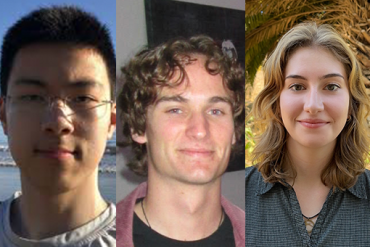
Fellows receive three years of financial support, totaling nearly $150,000, in the form of an annual stipend, tuition, and fees.

The class of 2025 set four College of Engineering records related to the number of bachelor’s degrees earned.

The innovative tool, designed specifically for non-expert users, improves airway access and raises survival odds in critical medical emergencies.
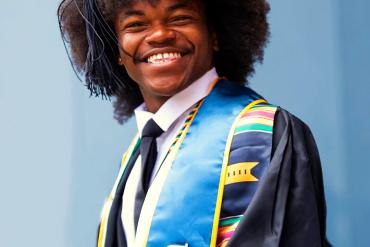
The university recognizes a pair of engineering students for their outstanding service to campus.
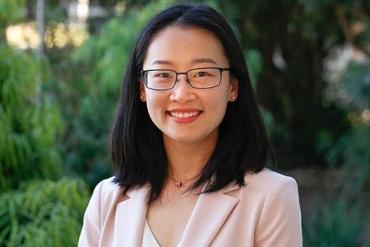
With a string of successes behind her, the pioneering mechanical engineer moves up

The teaching professor steps into an award recognizing his startup shoe company

The Fellowship Program of the Network Science Society recognizes researchers who have made outstanding and significant contributions to network science research and to the community of network scientists. Elected nominees are named Fellows of the Network Science Society.
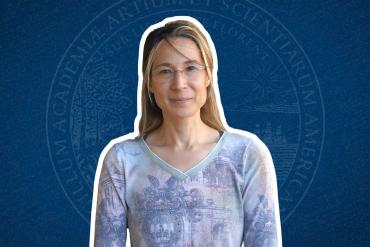
Mechanical engineer Irene Beyerlein has been elected to the American Academy of Arts and Sciences, one of the nation’s most prestigious honorary societies. At UC Santa Barbara, she leads pioneering research in mechanics and materials science, advancing the design of resilient, high-performance materials through multiscale modeling and experimentation.

A versatile new device will soon come to campus thanks to an interdepartmental collaboration between biologists and engineers.